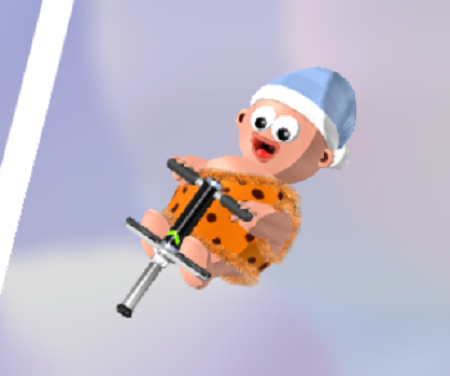
BitBuddy is a short virtual pet game where the player receives a randomly generated digital creature and is asked to take care of it. There is no traditional campaign, world map, or sequence of levels. Instead, the entire game takes place inside a small program window, with the BitBuddy directly communicating with the player. The central rule is unusual: if the player closes or quits the game, the BitBuddy dies and remains dead when the program is opened again.
Taking Care of a Digital Pet
The BitBuddy reacts to the player and can be interacted with through several simple options. Food can be given to the creature, and other activities provide ways to spend time with it. The pet also has a level that can increase through interaction. Rather than completing missions, the player mainly decides how long to remain with the BitBuddy and what to do during that time. Promo codes can also change certain details, including giving the pet a hat.
One Rule Changes the Entire Game
The gameplay looks similar to a simple virtual pet simulator, but the permanent consequence of quitting changes how every action feels. The BitBuddy warns the player about what will happen if the window closes. There is no normal save-and-return structure where the pet simply waits until the next session. The available interactions include:
· feeding the BitBuddy;
· spending time with the pet;
· increasing its level;
· entering special promo codes;
· changing its appearance with certain codes;
· listening to its dialogue;
· deciding when, or whether, to quit.
Some interactions can reveal additional dialogue and unusual events, encouraging the player to experiment instead of immediately ending the program.
What Happens When You Leave
There are no traditional stages, enemies, combat encounters, or puzzles. Progress is based on continuing to interact with the same BitBuddy and observing how it responds. The game can also present additional situations as time passes, making the relationship with the creature more important than completing a list of objectives. The pet remembers its state, so leaving the game has a permanent effect rather than functioning as a normal pause.
BitBuddy is therefore played by keeping the program open, responding to the creature, feeding it, experimenting with available options, and deciding how long to continue. Its story is created mainly through the conversations between the player and the virtual pet. There is no fixed adventure to complete in the usual sense. The main conflict comes from knowing that every session eventually has to end, while the BitBuddy understands what closing the game means for it.